
After Boracay’s closure in 2018, many expected Baguio City to be next in line. Much like Boracay, the city has been struggling with environmental issues spurred by overdevelopment and overpopulation. However, given the city’s key role in the economy, education, and transportation in the Cordilleras, completely closing it down would be a little more difficult—but that doesn’t mean that the city government’s rehabilitation efforts will be toned down though.
Taking the First Steps Towards Rehabilitation
Right now, the local government of Baguio has begun coordinating with the national government to take the first steps in the city’s rehabilitation. According to Inquirer, the first of many projects from this partnership is a one-year ban on building constructions and cutting trees. This would allow the city to conduct and propagate massive regreening programs, to review existing building codes, and to make repairs to the sewage systems.
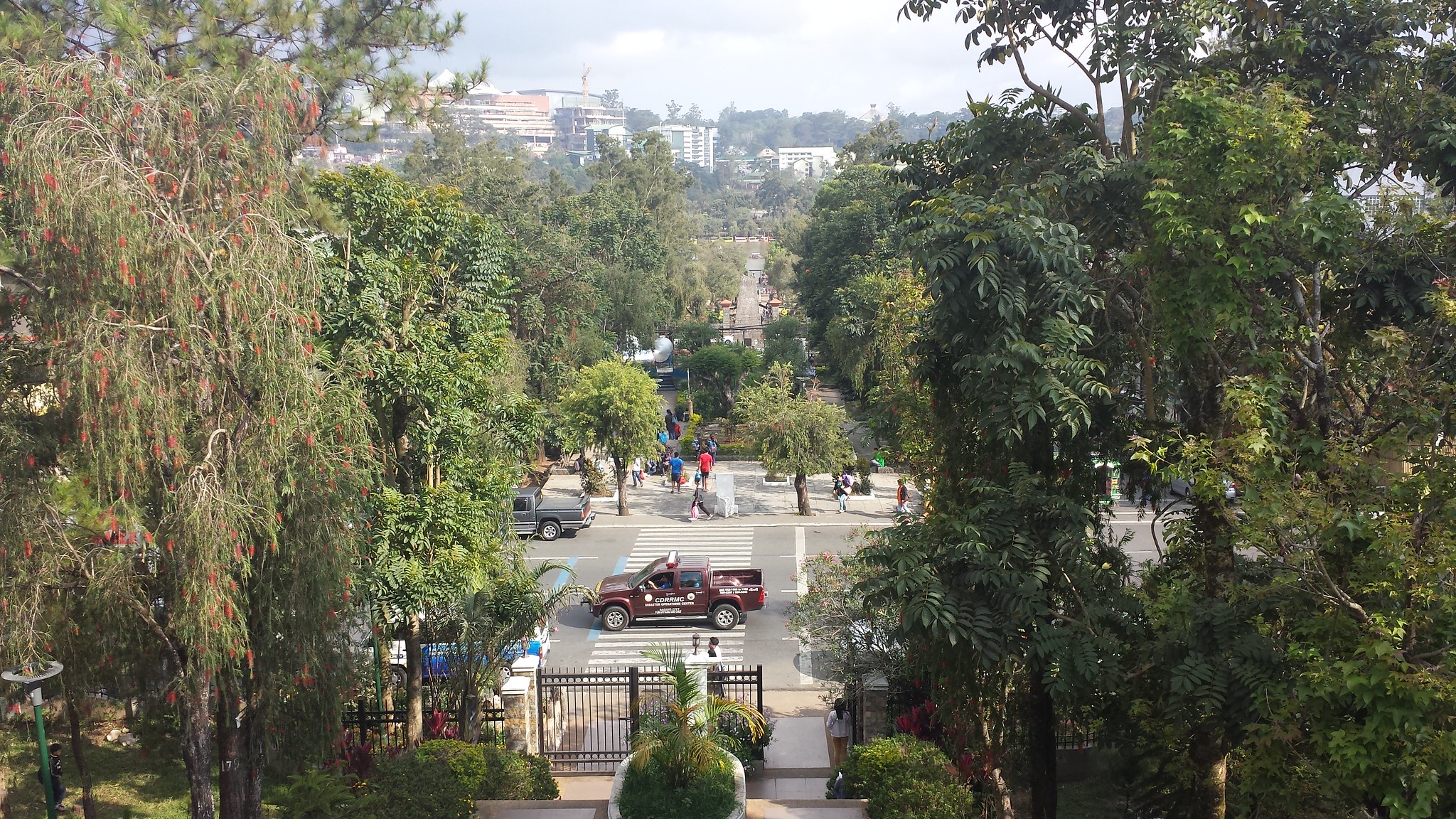
Timothy Takemoto/Flickr
Over the years, the water quality in Baguio City’s main rivers has started to degrade due to piggeries, commercial establishments, and improper sewages. As part of Baguio City’s rehabilitation plan, the local government is seeking to modernize the sewer lines. Leaks in the city’s sewers will be repaired. And 90 000 houses will be connected to the city’s sewage treatment plant where only 2 400 houses are currently connected. With these, the government is hoping to decrease the wastewater flowing into the Balili and Bued rivers that can become harmful to wildlife, crops, and also humans.
In terms of the city’s overdevelopment issues, the city government would need an intensive review of the current urban layout and population growth to assess what needs to be changed, fixed, and improved. This would also help related agencies to know how to go about the city’s intended massive regreening project. Currently, commercial buildings and households have cut down Baguio City’s forest cover to only 28 percent of the city’s total land area.
Baguio City is plagued with environmental issues on every front. And in its current condition, the city would need all hands on deck from both the government and the private sectors to help it address these problems. These first few steps might be small compared to the totality of the city’s problem and they still might need some polishing, but with all involved sectors putting in their contributions, we can raise Baguio City to the best it can be.