
Baguio City has four rivers running through it, namely the Agno-Ambalanga, Asin-Galiano, Balili, and Bued Rivers. And each one of these rivers is in danger. In fact, according to a report recently published by the Inquirer, two of these rivers—the Balili river and the Bued river—remain to be highly polluted. The Balili river, in particular, reportedly has a fecal coliform level worse than that of Manila Bay.
The biggest causes of pollution in these rivers come from the sludge produced in the Baguio public market, slaughterhouse, and the unregulated hog raising operations around these waters. Aside from those, it has been found that these rivers had high contents of chemicals commonly used in homes and gardens. All these drain our supply of usable water and causes more damage to Baguio’s environment than it already has.
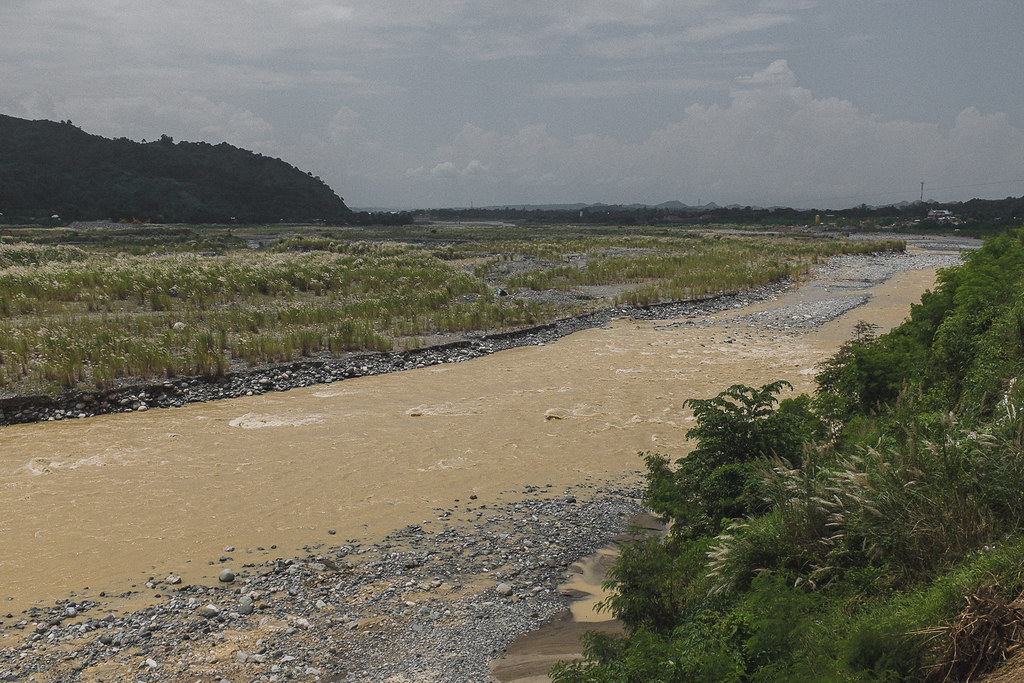
Photo by Arcibald/Flickr
Effects of Wastewater to the Environment
Wastewater contributes to the contamination of both land and water resources. Harmful chemicals are carried to places where they shouldn’t be and harms the wildlife present there. They also harm crops and the soil they’re in when the wastewater is used for irrigation. When mixed up with other waste products, these chemicals in the wastewater produce horrid fumes. More than the smell, this wastewater carries a wide variety of diseases that can disrupt one’s health.
How To Help Lessen Harmful Waste Water Production
It’s not easy to clean these rivers. However, with the collective effort starting from our very own homes, we can help the Baguio city government and other organizations quicken up the pace. The first step we can take on our part is to conserve water. We can do so by a few simple actions like fixing indoor leaks, reusing water, taking shorter showers, and stepping away from any wasteful washing habits.

The second step we could take is to minimize using products that contain harmful chemicals like phosphate that could further contaminate our waters. This includes things like chemical fertilizers and harsh products like pesticides, insecticides, bleaches, and other home cleaning products. If you really need to use things such as those, try looking for friendlier and more natural alternatives. Though these might seem insignificant individually, when taken as a whole, these become one huge step towards the betterment of Baguio’s rivers and its environment.