
Although Baguio City has its own biodegradable waste processing facility, the amount of biodegradable waste being produced in the city daily is still overwhelming. According to Inquirer, the facilities receive 720 tons of biodegradable garbage each month. And with that, Baguio’s residents can’t just rely on the local government to do all the work for them. One way residents could help lessen the overflow of biodegradable wastes is to do the composting themselves—which can then be used for urban gardening and growing their very own vegetables. Fortunately, there are tons of ways to make compost at home without needing a backyard.
Standard Indoor Composting
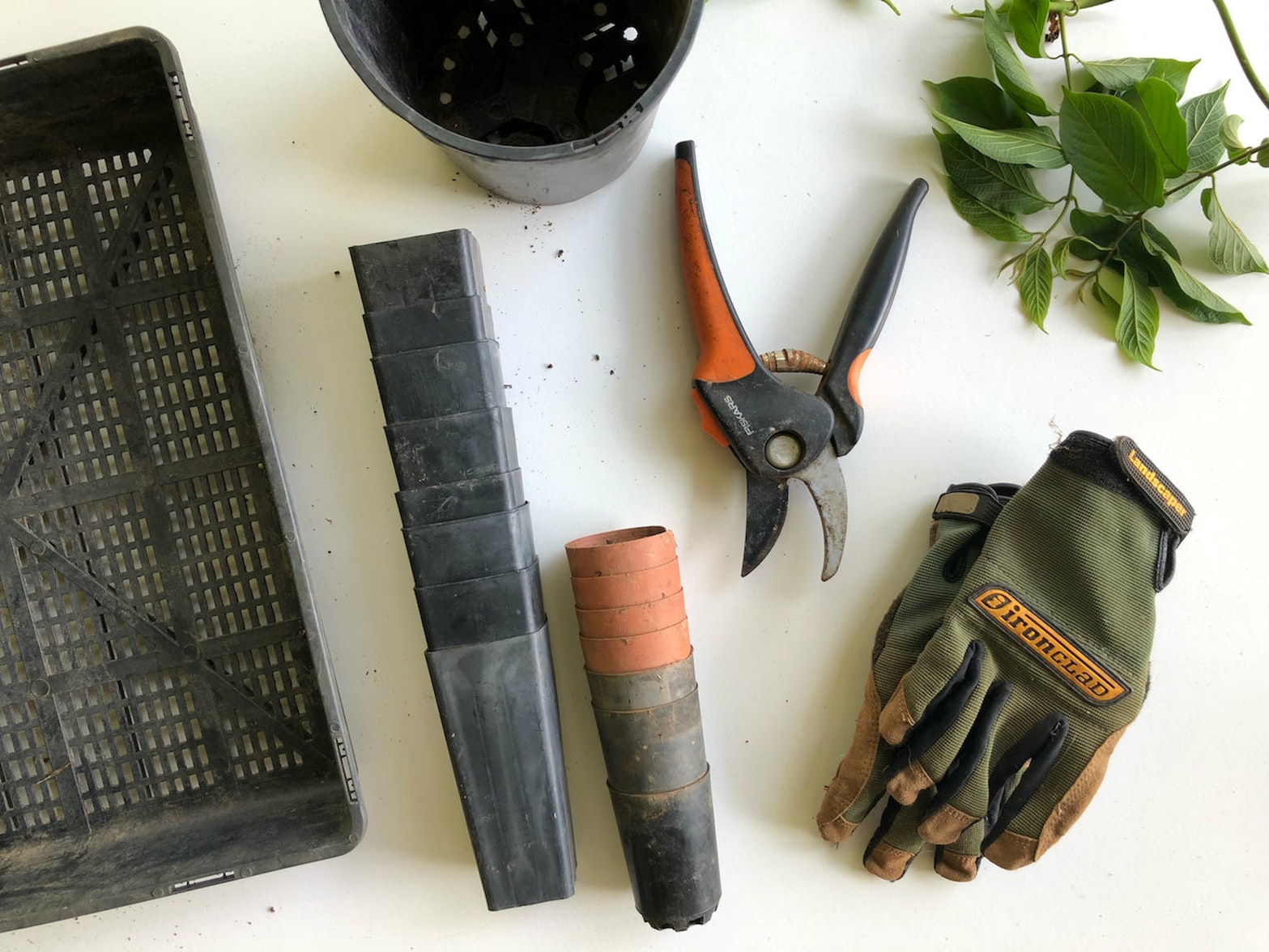
The first thing you’ll need is a bin of any size. Once you find a bin large enough to keep your scraps, drill holes at the bottom and place it on the tray so it could catch the excess water from your food scraps. Then, add soil until about a quarter of your container and cover it with newspaper shreds. This will help absorbs excess liquid. Before you mix your food scraps with the compost soil, mix it with some newspaper shreds. And last but not least, mix your compost and add new soil once a week. Don’t put in fish, meat, or dairy scraps in your composter though because it will create a very unpleasant stink and ruin your compost.
Blender Composting
This type of composting might be the simplest, especially for apartment dwellers. All you have to do is toss your food scraps with some water and old newspaper into the blender to create slush that you can immediately pour on the soil of your plants. It isn’t exactly compost yet, but this will help the biodegradable wastes to decompose faster in the soil. This can be the perfect fertilizer if you’re growing your own mini home garden.
Vermicomposting
Vermicomposting or worm composting is one of the most common and effective indoor composting systems now. It’s pretty much like building a standard indoor composting system but of course with worms. All you’ll need are some bins, organic material, and some bait worms or red wrigglers. For a more detailed step by step, here’s a starter by Instructables Living. This kind of composting doesn’t produce any kind of smell and is perfect for the indoors.